
Experimental Volumetric Hydrogen Uptake Determination at 77 K of Commercially Available Metal-Organic Framework Materials
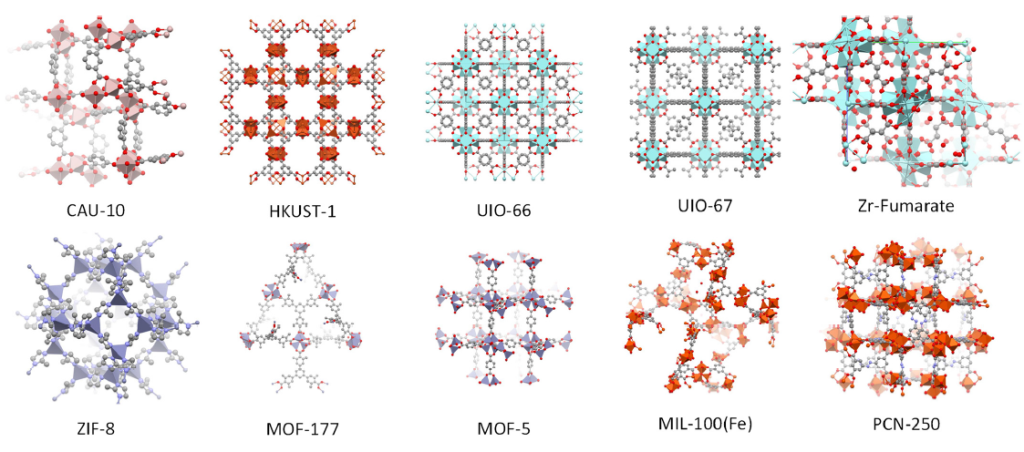
Storage is still limiting the implementation of hydrogen as an energy carrier to integrate the intermittent operation of renewable energy sources.
MefHySto publishes open access paper
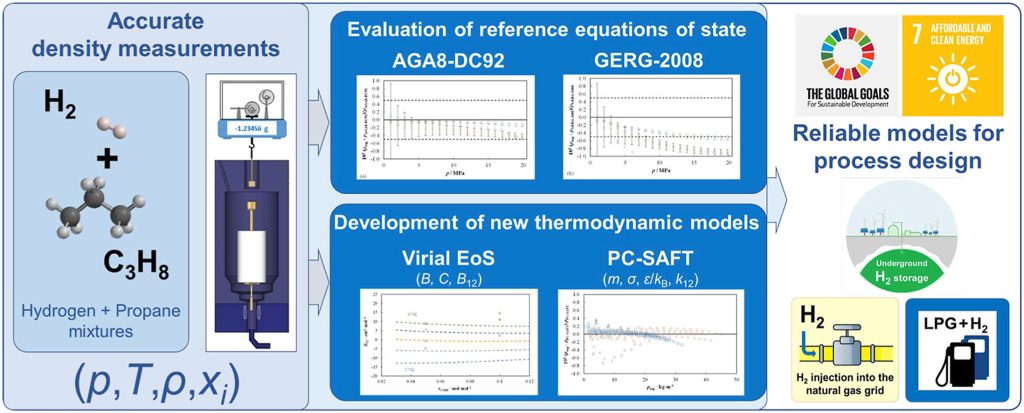
Second Paper published within the MefHySto Project.
Open access paper about Hydrogen Cryo-Adsorption Tanks
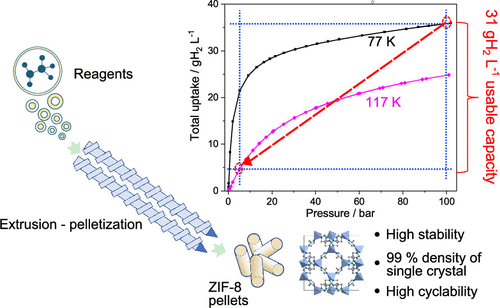
Cryoadsorption on the inner surface of porous materials is a promising solution for safe, fast, and reversible hydrogen storage. Within the class of highly porous metal−organic frameworks, zeolitic imidazolate frameworks (ZIFs) show high thermal, chemical, and mechanical stability
A database to select affordable MOFs for volumetric hydrogen cryoadsorption considering the cost of their linkers
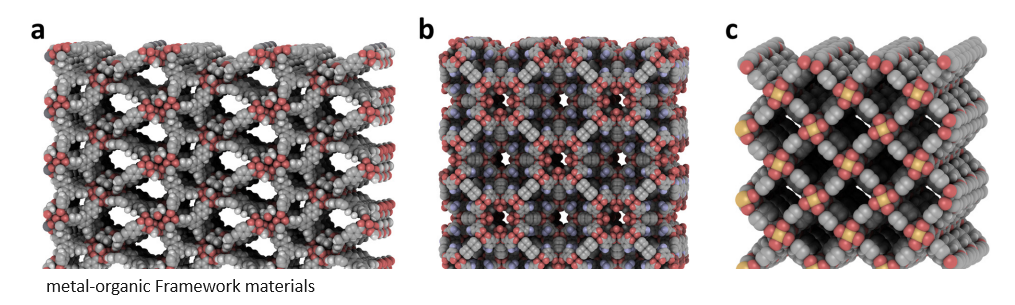
Physical adsorption at cryogenic temperature is a reversible mechanism that can reduce the pressure of conventional compressed gas storage systems. Metal–organic framework (MOF) materials are remarkable candidates due to the combination of high specific surface area and density which, in some cases, provide a high volumetric storage capacity.
Enabling the injection of hydrogen in high-pressure gas grids: investigation of the impact on materials and equipment
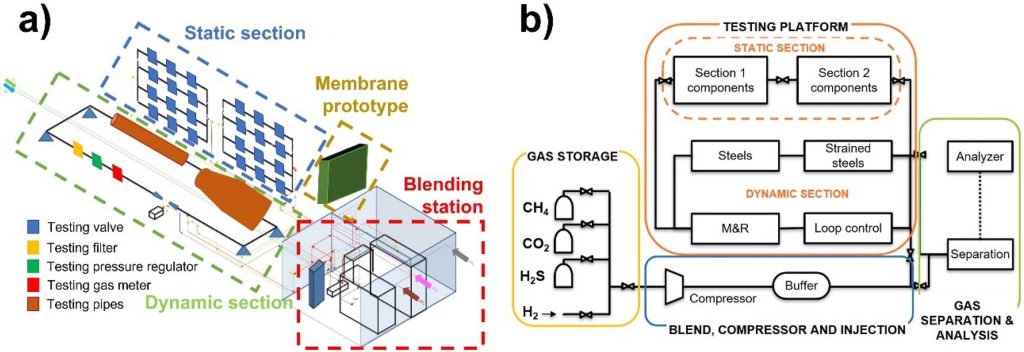
Green hydrogen is a renewable gas that can help to reach the goal of decarbonizing the energy sector. The use of the natural gas grid for seasonal storage and transport of hydrogen needs previous assessment of its tolerance, ensuring safe and viable operation.
Economic feasibility of green hydrogen in providing flexibility to medium-voltage distribution grids in the presence of local-heat systems
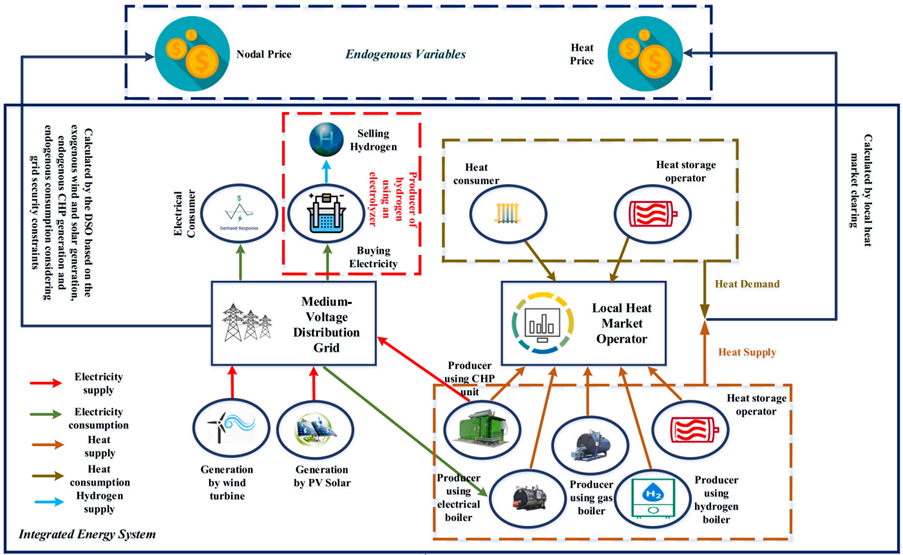
The recent strong increase in the penetration of renewable energy sources (RESs) in medium-voltage distribution grids (MVDNs) has raised the need for congestion management in such grids, as they were not designed for this new condition. This paper examines to what extent producing green hydrogen through electrolyzers can profitably contribute to congestion alleviation in MVDNs […]
International competitiveness of low-carbon hydrogen supply to the Northwest European market
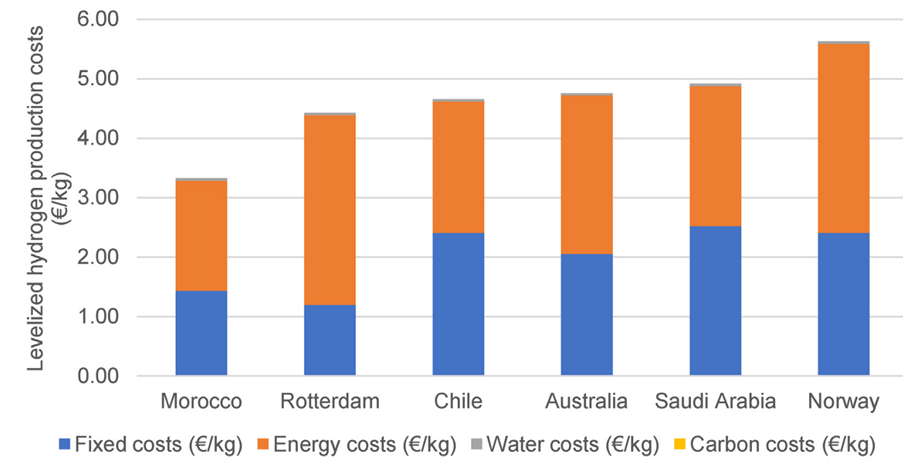
This paper analyses which sources of low-carbon hydrogen for the Northwest European market are most competitive, taking into account costs of local production, conversion and transport. Production costs of electrolysis are strongly affected by local renewable electricity costs and capacity factors. Transport costs are the lowest by pipelines for distances under 10,000 km, with costs […]
A Preliminary Assessment of the Potential of Low Percentage Green Hydrogen Blending in the Italian Natural Gas Network
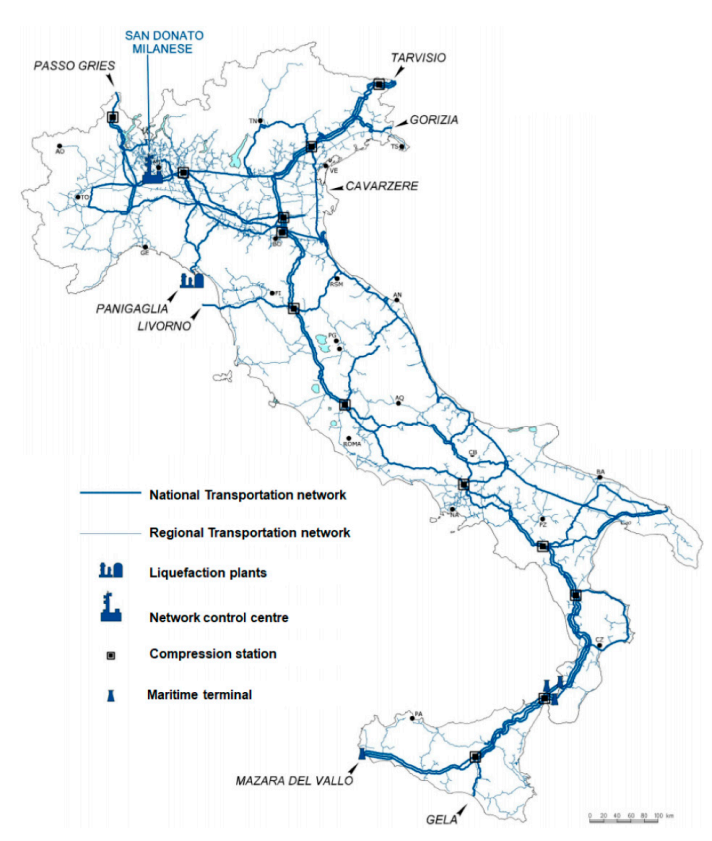
The growing rate of electricity generation from renewables is leading to new operational and management issues on the power grid because the electricity generated exceeds local requirements and the transportation or storage capacities are inadequate. An interesting option that is under investigation by several years is the opportunity to use the renewable electricity surplus to […]
Analysis of the Existing Barriers for the Market Development of Power to Hydrogen (P2H) in Italy
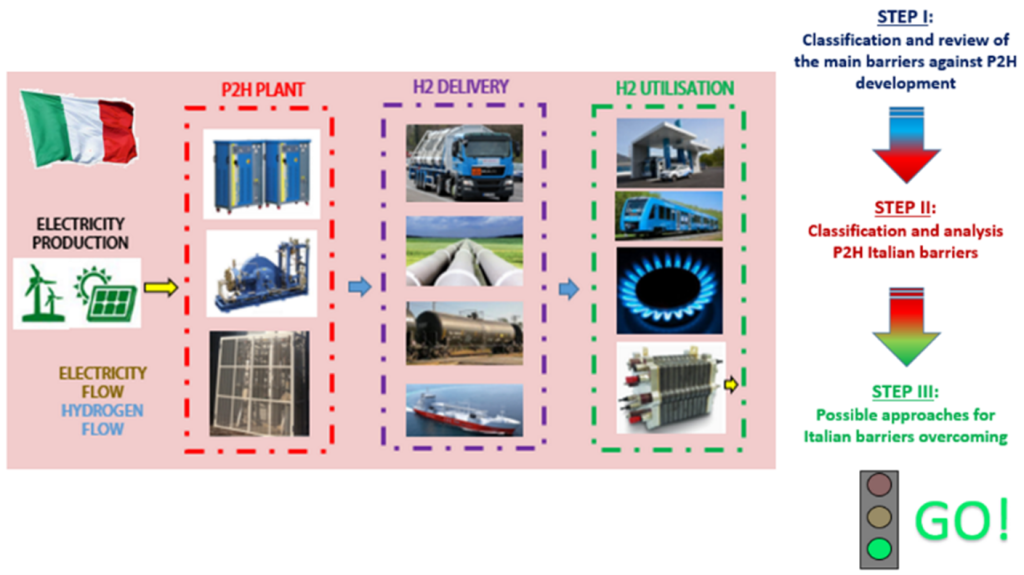
New technological solutions are required to control the impact of the increasing presence of renewable energy sources connected to the electric grid that are characterized by unpredictable production (i.e., wind and solar energy). Energy storage is becoming essential to stabilize the grid when a mismatch between production and demand occurs. Among the available solutions, Power […]
A New Geographic Information System (GIS) Tool for Hydrogen Value Chain Planning Optimization: Application to Italian Highways

Optimizing the hydrogen value chain is essential to ensure hydrogen market uptake in replacing traditional fossil fuel energy and to achieve energy system decarbonization in the next years. The design of new plants and infrastructures will be the first step. However, wrong decisions would result in temporal, economic losses and, in the worst case, failures. […]