
MetroHyVe3 M9 Meeting in Bern: Progressing metrology for hydrogen mobility
At MetroHyVe3’s M9 meeting in Bern (30–31 March 2026), partners advanced work on measurement tools and guidance that support safe, reliable hydrogen refuelling—from high-flow calibration to station performance checks and hydrogen quality.
Accurate, comparable measurements are a key enabler for safe and reliable hydrogen refuelling—helping build confidence for station operators, vehicle manufacturers and users.
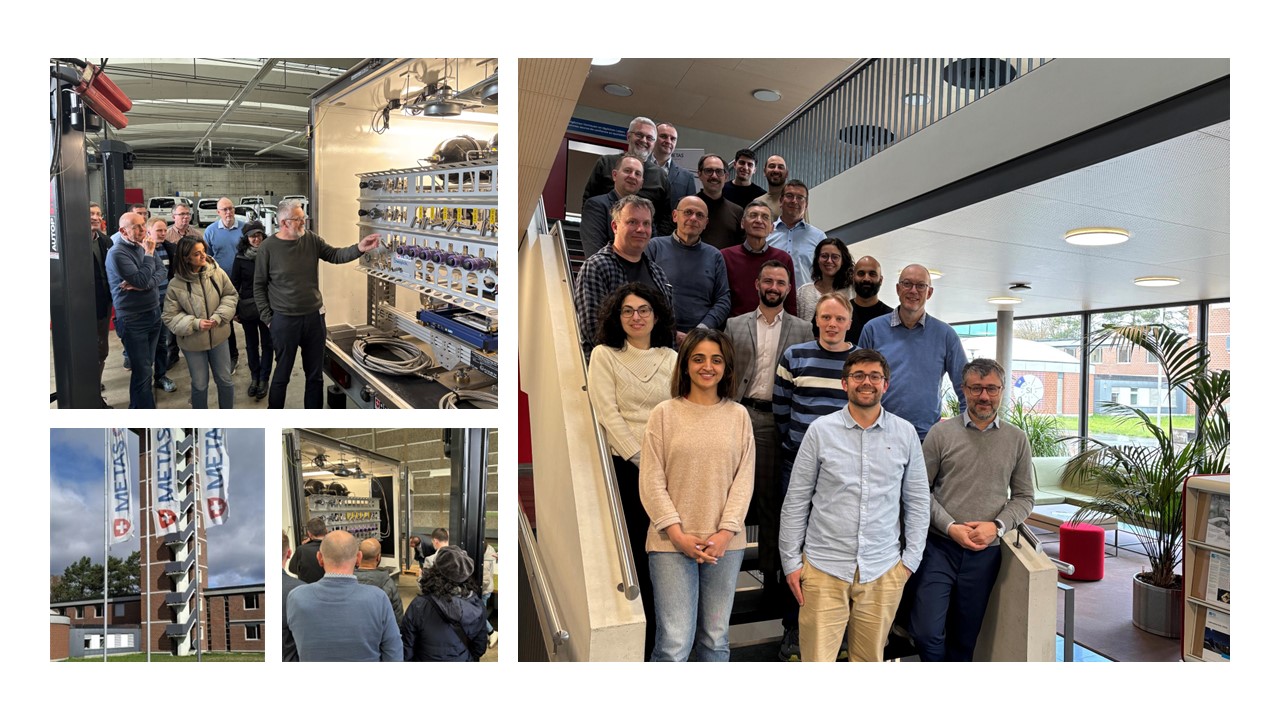
On 30–31 March 2026, the M9 meeting of the European research project MetroHyVe3 took place at METAS in Bern. Partners reviewed progress and aligned next steps to deliver robust measurement solutions that support hydrogen mobility.
MetroHyVe3 strengthens Europe’s measurement infrastructure for hydrogen by developing traceable methods for hydrogen flow and practical ways to check refuelling station performance. In parallel, the project provides evidence and guidance related to hydrogen quality and key safety aspects—supporting the consistent roll-out of hydrogen refuelling across different stations and regions.
Representatives from the MetroHyVe3 consortium—including national metrology institutes, research organisations and industry partners—shared technical updates, discussed open challenges, and coordinated upcoming validation, knowledge transfer and dissemination activities.
Highlights from the meeting:
- A report on H₂ leak detection (“State-of-the-art analysis on H₂ leak detectors“) has been completed and will be published on the project website shortly, supporting informed choices for hydrogen refuelling station safety solutions.
- A further report is being prepared on potential hydrogen contaminants and the likelihood of their presence across 15 processes (production, storage, and potential formation in new HRS components), based on literature review and expert knowledge. The report will be published soon.
- Development of new master meter skids for calibrating refuelling stations up to H₂ 18 kg/min is progressing according to plan. Partners inspected one of the four skids on-site at METAS—an important step towards high-flow calibration capability.
- For the mobile tools used to verify hydrogen refuelling stations (mobile integrated verification units), the definition and design phase has been completed and assembly has now started.
Overall, the M9 discussions confirmed continued progress towards MetroHyVe3’s objectives: delivering traceable and harmonised measurement methods and verification approaches that enable reliable hydrogen refuelling and strengthen confidence in hydrogen quality and safety for mobility applications.
Next, the consortium will focus on assembly and testing, followed by validation activities with partners and stakeholders to help ensure the results work in real refuelling station contexts.
MetroHyVe3 results are relevant for hydrogen refuelling station operators, equipment manufacturers, calibration and testing services, and regulators working towards consistent measurement practices.
Register on the project website to stay up to date with MetroHyVe3 publications, results and news.