
Experimental Volumetric Hydrogen Uptake Determination at 77 K of Commercially Available Metal-Organic Framework Materials
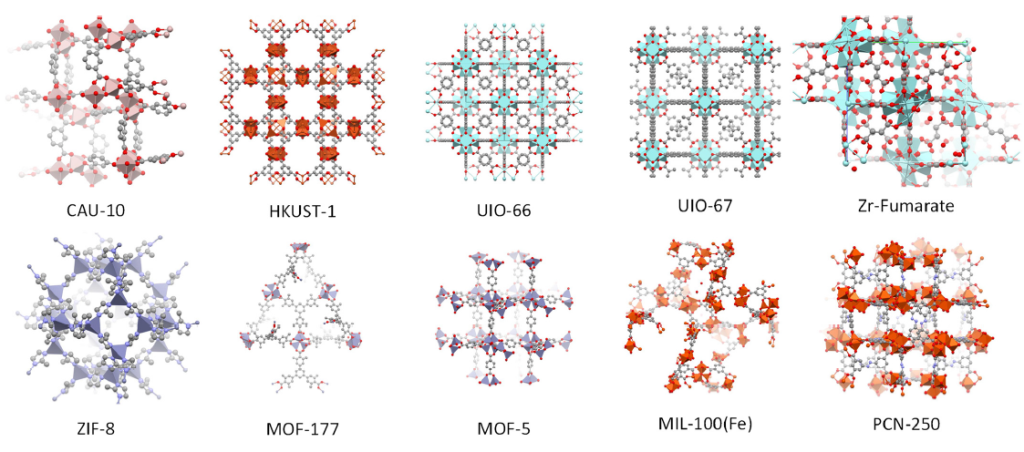
Storage is still limiting the implementation of hydrogen as an energy carrier to integrate the intermittent operation of renewable energy sources.
Open access paper about Hydrogen Cryo-Adsorption Tanks
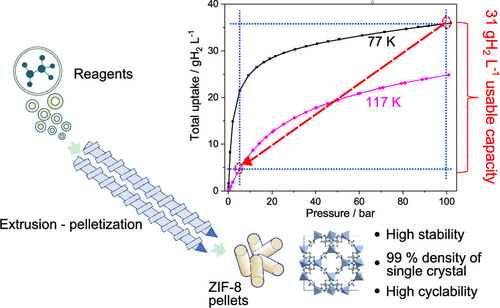
Cryoadsorption on the inner surface of porous materials is a promising solution for safe, fast, and reversible hydrogen storage. Within the class of highly porous metal−organic frameworks, zeolitic imidazolate frameworks (ZIFs) show high thermal, chemical, and mechanical stability
Metrology for Reversible H2 Storage Technologies

Exploring Underground Hydrogen Storage: The potential of utilizing geological cavities and formations for storing hydrogen and the feasibility of repurposing existing natural gas storage facilities to accommodate hydrogen storage needs.
A database to select affordable MOFs for volumetric hydrogen cryoadsorption considering the cost of their linkers
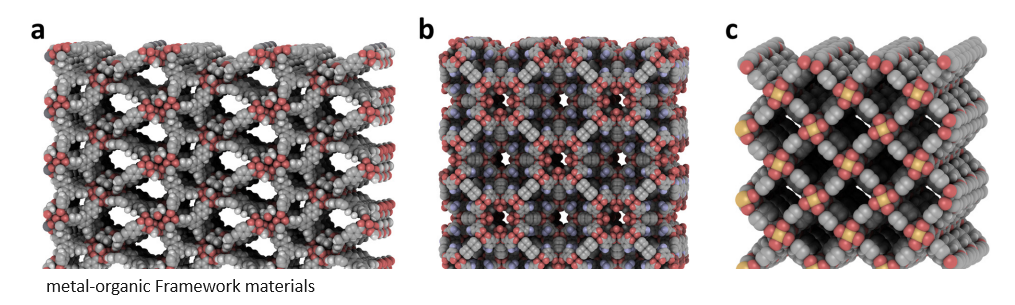
Physical adsorption at cryogenic temperature is a reversible mechanism that can reduce the pressure of conventional compressed gas storage systems. Metal–organic framework (MOF) materials are remarkable candidates due to the combination of high specific surface area and density which, in some cases, provide a high volumetric storage capacity.
MefHySto – D6

Report on a method for measuring and calculating heat conductivity of hydrogen ab/adsorbed in an intermetallic material or porous materials as a function of temperature, pressure, hydrogen absorption capacity and rate, considering dynamic heat flux impact and a harmonised method (< 1 % uncertainty) for stored hydrogen.